Demand Analysis
After revolutionizing the commercial display industry with its innovative dual-screen, dual-touch digital signage solution, Bohe is still exploring how to maximize the value of information and how to leverage displayed data to maximize profits. Can dual-screen, dual-touch display do more? Are there more application scenarios? Can it play a greater role?
Now, the answers are here. For smart digital signage and various intelligent self-service terminals, SeeMeiTai has pioneered a dual-screen, dual-touch solution, empowering smart terminals with even more powerful capabilities.
Solution Overview
Bohe’s dual-screen, dual-touch solution’s dual-screen, dual-touch display functionality is based on a single Android core motherboard. By leveraging the Presentation interface and this API, it can simultaneously drive two LCD screens, each displaying different content. This dual-screen, dual-touch feature not only reduces hardware costs but also significantly enhances interactivity in consumer scenarios.
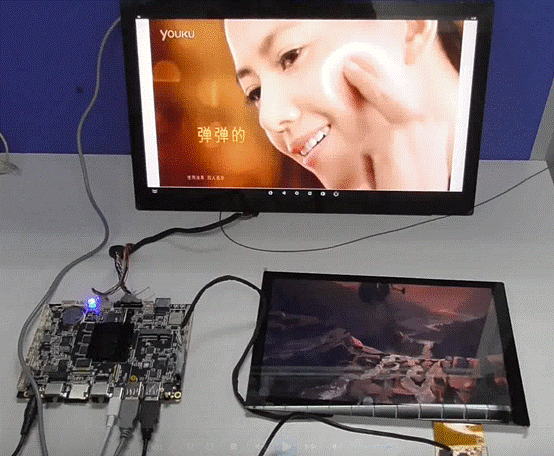

Another highlight of this solution is the addition of dual-touch functionality: This allows you to declare a specific touchscreen as an extended device (a secondary display) and designate another touchscreen as the primary display. This feature represents a breakthrough in the intelligent development of smart digital signage and self-service terminals, evolving from simple dual-screen display to seamless human-computer interaction.
Solution Highlights
Highlight 1: Dual-Screen Alternative Display
Supports dual-screen display of different content, enabling seamless advertising, self-service inquiries, and interactive games, thus achieving diverse operational functionality.
Highlight 2: Intelligent Content Linkage
Supports intelligent linkage of content displayed on each screen. For example, the first screen could display a car ad while the second screen simultaneously switches to a related 4S dealership ad, and the third screen could simultaneously switch to car maintenance tips. This intelligent content linkage ensures the most comprehensive display of advertising information, improving conversion rates.
Highlight 3: Dual-Screen Dual-Touch
Both screens are touch-operated, and user operations on each touchscreen are independent. For example, users can swipe to switch content on the primary screen and tap to search on the secondary screen.
Highlight 4: Horizontal and Vertical Screen Combination
Supports dual display on a single screen, allowing for independent publishing and display of information on multiple screens, and supports customizable display orientations for multiple screens.
Highlight 5: Free Resolution Combination
Each screen’s resolution is independent, supporting any combination of resolutions. It supports HD 1080P output and special resolutions like cropped screens.
Highlight 6: Intelligent Program Distribution
Programs for each screen are distributed from the server, ensuring independent, non-interfering, and independent performance. Playback schedules can be set for each screen independently, allowing for flexible display.
Highlight 7: Intelligent Networking, Multi-Level Permissions, Remote Monitoring and Scheduling
Supports one-click installation and automatic networking. Terminal filtering allows simultaneous selection of all dual-screen terminals for unified operation. Multi-level management permissions meet the operational needs of large companies.
Use Scenarios
Dual-Screen Dual-Touch POS Terminals
With the intelligent upgrade of POS terminals, dual-screen dual-touch has become a trend. The main screen serves as the cashier’s interface, while the secondary screen allows customers to view real-time purchase details, play advertisements, interact with customers, and push promotional information, enabling intelligent marketing.

Dual-Screen Dual-Touch Visitor Kiosk
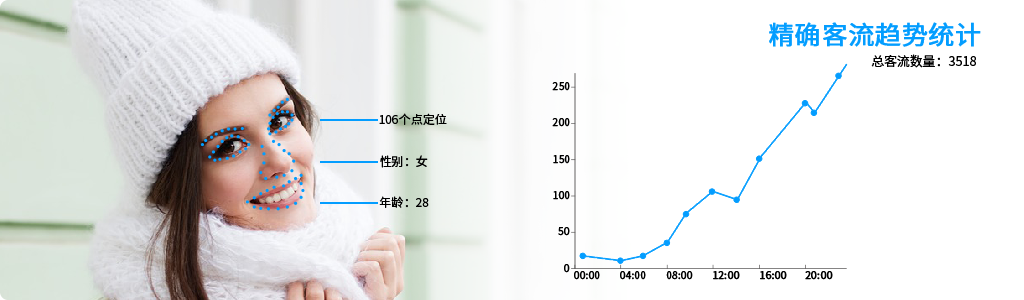
Guest kiosks are now widely used in access control and are highly praised by users. The dual-screen, dual-touch visitor kiosk displays captured user facial and ID information on the main screen, while the secondary screen plays advertisements, news, building information, and other content, providing an excellent user experience.

Dual-Screen, Dual-Touch Digital Signage
Bohe’s dual-screen, dual-touch digital signage solution not only allows multiple screens to display different content simultaneously, but also allows the content displayed on each screen to be linked. This allows for rich advertising content while achieving a perfect combination of advertising and interactivity, thereby reducing costs, enriching operations, and improving return on investment.
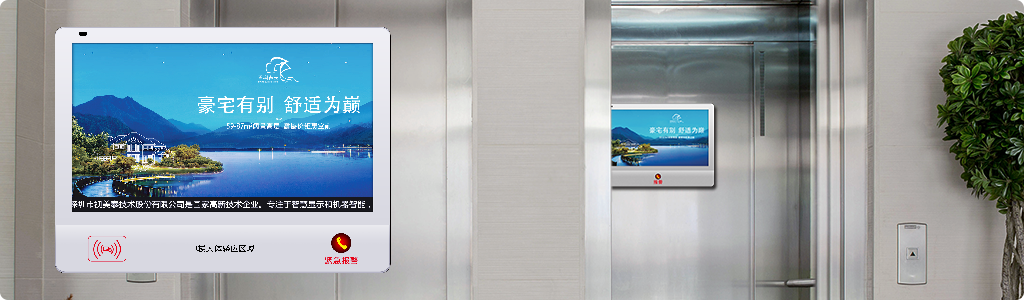
Many digital signage displays in elevators have already implemented dual-screen, dual-touch functionality, significantly improving advertising conversion rates.

Digital newspaper readers, replacing print media, have become standard equipment in many libraries. For example, the People’s Daily newspaper reader features dual screens and dual touch, providing readers with a superior reading experience.

Dual-Screen, Dual-Touch Smart Vending Machine
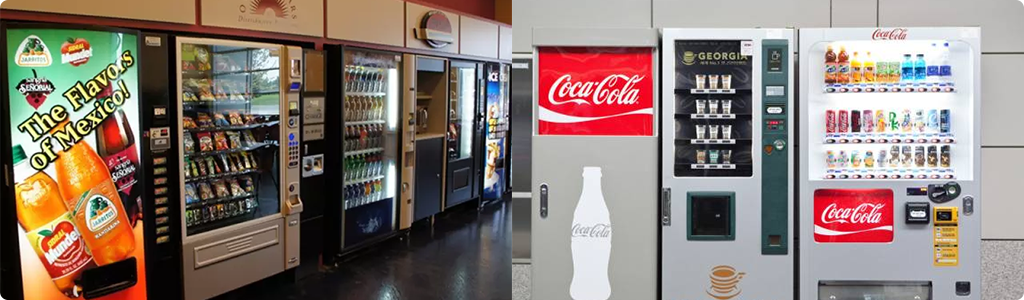
The rise of unmanned retail has ushered in a new wave of development opportunities for vending machines. Smart vending machines are not only expanding in form factors and product categories, but have also made significant breakthroughs in serving as a new entry point for online traffic. We can use the main screen to display the products for sale. Customers can click on the main screen to purchase the items, while the secondary screen plays marketing ads or interacts with them. New technologies like facial recognition enable targeted delivery. It’s foreseeable that dual-screen, dual-touch smart self-service vending machines will become a major trend in integrating online and offline retail.

Dual-Screen, Dual-Touch Smart Parcel Lockers
Smart parcel lockers are constantly searching for profit breakthroughs, and advertising is a key revenue stream. Operators can use the main screen as the user interface and the secondary screen for marketing ads, without interfering with each other. Furthermore, the main screen’s waiting screen can also be used as an ad playback screen, with the user returning to the main screen upon touching it.